45% of India’s Exports to US Exempt from Section 301 Duty; Textile Mechanism Yet to Be Finalised
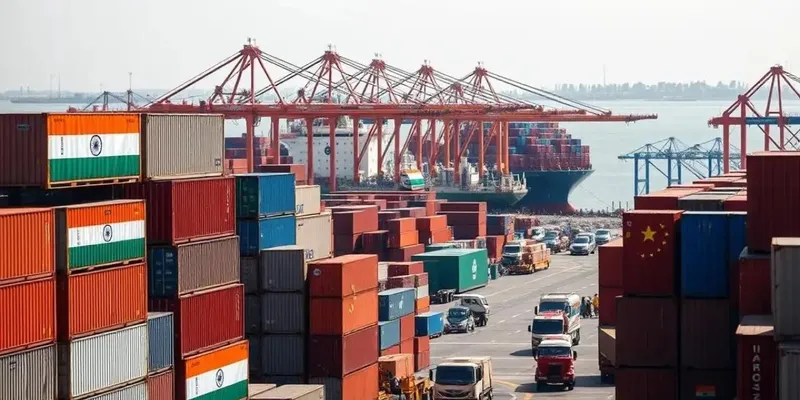
Government says nearly half of India's exports remain outside the additional 10% tariff as discussions with the US continue on a textile-specific mechanism.
Around 45% of India's exports to the United States are excluded from the additional 10% ad valorem duty imposed under Section 301 of the US Trade Act, 1974, according to a statement issued by the Ministry of Commerce and Industry.
The ministry said India exported goods worth $87.3 billion to the US in FY26. It added that the remaining 55% of exports would attract the additional 10% duty, while India's tariff incidence remains comparatively lower than that of several other economies covered by the investigation.
According to the government, the US Trade Representative (USTR) announced the final Section 301 measures on Thursday, imposing an additional 10% ad valorem duty on imports from India, lower than the 12.5% duty initially proposed on June 2.
The ministry said the Indian government remained closely engaged with the USTR throughout the investigation by submitting detailed written responses, participating in public hearings and holding in-person consultations.
It stated that, "As a result of these sustained efforts, India has been placed in the lower tier of additional tariffs under the final measures, providing a relative advantage to Indian exports in key sectors."
The government also noted that a substantial share of India's exports to the US—including generic pharmaceuticals, smartphones and certain other specified products—will continue to remain outside the scope of the additional 10% duty. Products already covered under Section 232 measures, including steel, aluminium and auto parts, are also not subject to the new duty, although existing Section 232 duties continue to apply.
The ministry said the textile-specific mechanism referred to in the final Section 301 measures has not yet been established or operationalised. India continues to engage with the United States on the issue as part of the ongoing negotiations for a bilateral trade agreement.
Meanwhile, the Gem and Jewellery Export Promotion Council (GJEPC) rejected any suggestion that India's gem and jewellery sector is linked to forced labour. The council stated that the 10% tariff still gives Indian exporters a 2.5 percentage-point tariff advantage over several competing manufacturing and trading hubs, including China and Hong Kong, which are subject to a 12.5% additional tariff.
However, GJEPC noted that the new tariff could create challenges for Indian exporters, particularly as competing diamond trading centres in the EU and Africa continue to enjoy duty-free access for natural diamonds.